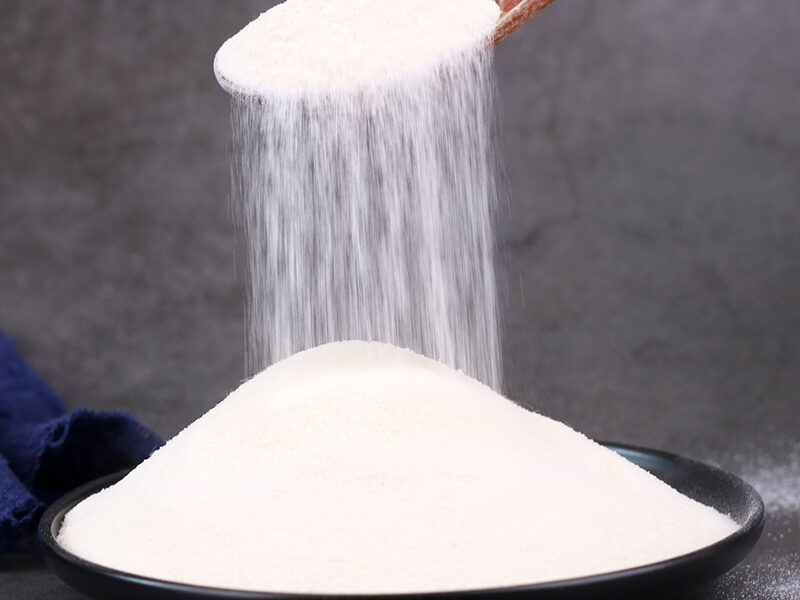
Introduction The global non-dairy creamer market is experiencing unprecedented growth, driven by rising consumer demand for plant-based, lactose-free, and sustainable food options. For B2B buyers—including food manufacturers, coffee roasters, wholesalers, and importers—selecting the right non-dairy creamer is a critical decision that impacts product quality, cost-efficiency, and market competitiveness. This guide provides an in-depth analysis of non-dairy creamer composition, key selection criteria, and emerging trends to inform your procurement strategy . Understanding Non-Dairy Creamer Composition and Production Non-dairy creamers are sophisticated formulations designed to mimic the creaminess and functionality of dairy cream. Their primary base consists of vegetable oils (such as palm, coconut, or soybean), carbohydrates (like corn syrup solids or maltodextrin) for solubility and sweetness, and various functional ingredients .
- Protein Sources: While some creamers are entirely plant-based, others may contain sodium caseinate, a milk-derived protein that enhances texture. B2B buyers serving strict vegan markets must specify “vegan” or “plant-based” labels to ensure no animal-derived ingredients are present .
- Emulsifiers and Stabilizers: Ingredients like lecithin (often from soy) and gums (guar gum, xanthan gum) are crucial. They create a stable emulsion, preventing oil and water from separating, and ensure a smooth, consistent texture in beverages and food applications .
- Production Process: The typical production involves mixing ingredients into a slurry, homogenization to create a uniform texture, and then spray drying to produce a stable powder that is easy to transport and has a long shelf life .
Key Considerations for B2B Selection When sourcing non-dairy creamers, price is just one factor. Professional buyers must evaluate several technical aspects.
- 1. Functional Performance: Consider solubility (especially in hot and cold liquids), heat stability (for pasteurized or UHT products), and fat content. High-fat creamers provide a richer mouthfeel, while low-fat versions cater to health-conscious segments .
- 2. Nutritional Profile: With consumers increasingly reading labels, demand for cleaner options is rising. This includes creamers with no added sugars, lower saturated fat content, and shorter, recognizable ingredient lists. Some manufacturers offer versions fortified with vitamins A, D, and B12 .
- 3. Application Versatility: A creamer’s performance can vary significantly depending on its use. A product ideal for instant coffee might not work well in baking, sauces, or frozen desserts. Partner with a supplier who can provide application-specific solutions . For specialized industrial applications, explore the capabilities of suppliers like Kalin Trading, which offers tailored non-dairy creamer solutions for various industries.
- 4. Supply Chain Reliability and Scalability: Consistent quality, large-volume order fulfillment, and reliable logistics are paramount. Choose a supplier with a proven track record and robust quality control systems to ensure a steady supply for your production lines .
Emerging Trends and Future Outlook The future of non-dairy creamers is shaped by several key trends:
- Clean-Label Demand: There is a strong movement towards products with simple, natural ingredients and minimal processing .
- Flavor Innovation: Beyond traditional vanilla, flavors like hazelnut, caramel, and even seasonal varieties like pumpkin spice are gaining popularity, allowing brands to differentiate their products .
- Specialty Bases: While soy and coconut remain popular, newer bases like oat, almond, and macadamia are gaining traction due to their distinct flavors and marketing appeal. Oat creamers, in particular, are valued for their natural sweetness and excellent frothing capability, making them a favorite in the coffee shop sector .
Conclusion For B2B professionals, navigating the non-dairy creamer landscape requires a balance of technical knowledge, market insight, and strategic sourcing. By understanding the composition, functionality, and key market trends, businesses can make informed decisions that enhance their product offerings and capitalize on the growing demand for plant-based alternatives.
FDA Food Additive Regulations
https://www.fda.gov/food/food-additives-petitions
EFSA Food Ingredient Guidance
https://www.efsa.europa.eu